Scenes from October: Tribute for Zoë Wicomb by Kai Easton
In this moving tribute – with an accompanying visual travelogue spanning South Africa and Scotland – Kai Easton explores the legacy of late South African writer, Zoë Wicomb, reflecting especially on her relationship to photography.
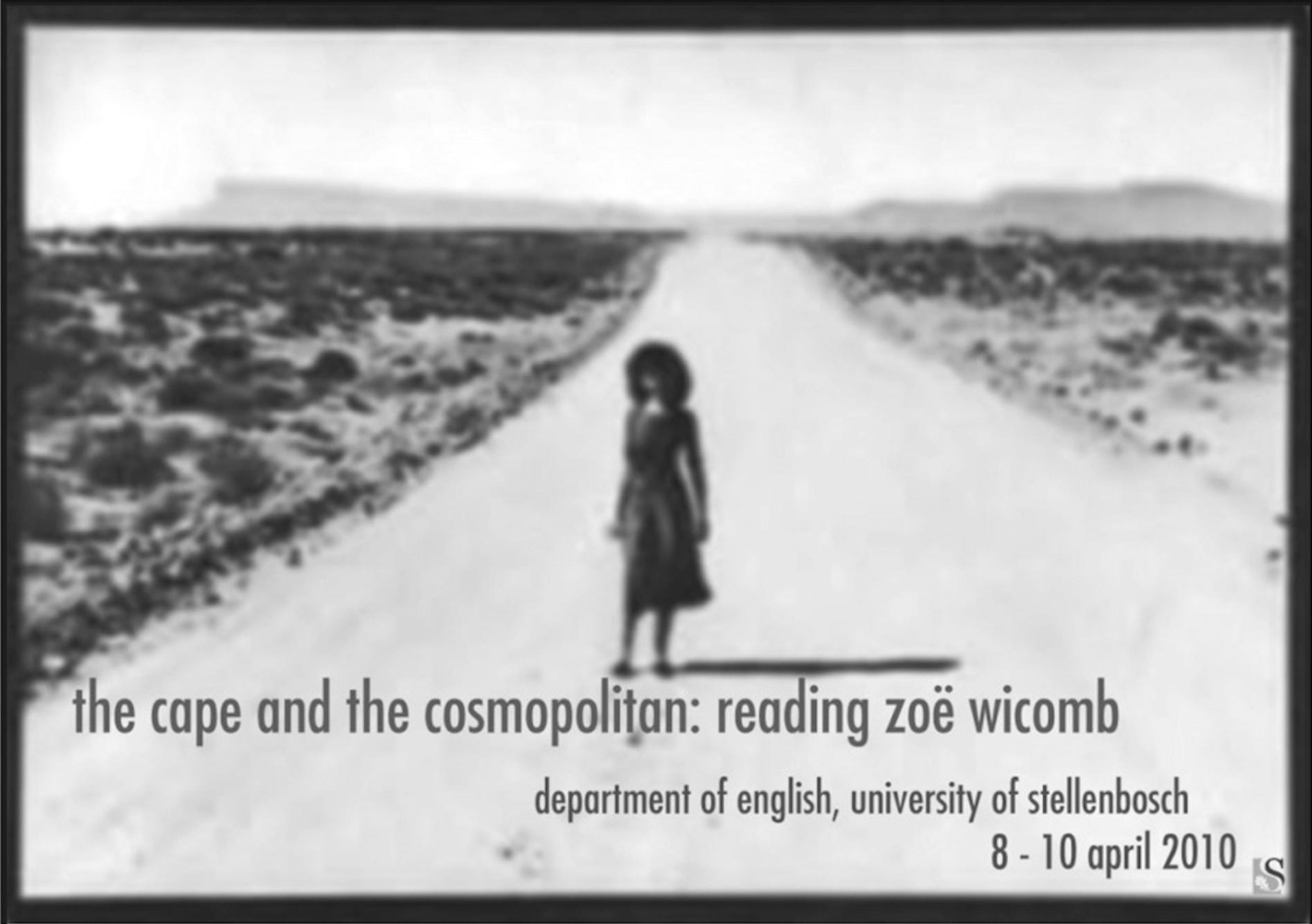
There is an original photograph of the South African writer, Zoë Wicomb, taken in 1985 by the British artist Roger Palmer. While it adorns the cover of her first book, You Can’t Get Lost in Cape Town, and is blurred in the version we adapted for our 2010 conference poster reproduced here, it is the kind of scene we might also imagine whilst reading her 2014 novel, October. In the backdrop is the mountain range that features in one of her early stories, ‘A Trip to the Gifberge’, which comes at the end of that dazzling first volume. It is a work of fiction, but Wicomb is writing about territory that is familiar to her, since she grew up in this rural area inland from South Africa’s West Coast, in the small village of Beeswater. This is near Van Rhynsdorp in Little Namaqualand in what was then the Cape Province.
Her sudden death on 13 October, 2025 came as a shock. She had been scheduled to fly back to Cape Town from her home in Glasgow in early November for the Nobel in Africa Symposium, one of forty writers and critics invited together with two of Africa’s Nobel Laureates for Literature: J. M. Coetzee and Abdulrazak Gurnah. The event was hosted by the Stellenbosch Institute of Advanced Study (STIAS), where she had been a Fellow in 2016. Tributes and memorials have swiftly followed in the weeks since she left us, just before her 77th birthday, both at the symposium events, in Glasgow and in Cape Town, and in the press and online. There are shared stories about her sharp wit and joie-de-vivre, her keen intellect and generosity as a teacher, friend, mentor, and colleague, her legendary terror of writing and performing her work in public — despite the consistency of her brilliant readings and crisp delivery, which always held the attention of everyone in the room.
We have also seen some additional wonderful photographs by Palmer, her longtime partner, and by her friend, Ellen Elmendorp, that have accompanied some of the tributes. Yet, I keep returning to this early image of her, just before she is a published author, for here we see her processing on a Namaqualand road. With the mountains firmly framing the backdrop, and the way ahead out of view, the composition is a striking evocation of Wicomb’s life and work. She looks both at home in this landscape and en route, distinctly on her way elsewhere. It is this sense of embedded mobility, criss-crossing between two home spaces in two hemispheres, that has been the hallmark of her fiction, from You Can’t Get Lost in Cape Town in 1987 – which won Wicomb the praise of Toni Morrison for her ‘glittering’ prose – to her most recent novel, the extraordinary fiction, Still Life (2020), which brings back to life a cast of historical and literary characters — from the West Indian slave Mary Prince, the Scottish abolitionist and ‘father of South African poetry’, Thomas Pringle and his adopted Khoesan son Hinza Marossi, to the character of Sir Nicholas Greene in Virginia Woolf’s Orlando, one of her favourite novels.
Though Wicomb had lived in Scotland since the mid-1990s, having returned from South Africa to join Palmer and their daughter Hannah in Glasgow, she made regular visits back to South Africa. Her last long sojourn was between 1990-94, when she was teaching at her alma mater, the University of the Western Cape. It was this time back home, at the cusp of democracy, in the years between Mandela’s release to his election as the country’s first democratically elected president, that made possible a book like the hugely ambitious, David’s Story, in 2001. Completed in the aftermath of the report from the Truth and Reconciliation Commission, it grappled with the complex historical legacies of racial identity and colonialism in the New South Africa, including, in her weaving back and forth between the past and present, stories that circle around the Griqua chief, Andries le Fleur (from whom Wicomb is a descendant on her mother’s side), and the iconic figures of Krotoä-Eva and Saartjie Baartman.
As Emeritus Professor of English and Creative Writing at Strathclyde University (where she was also awarded her doctorate in 2003, having completed the practice-based thesis, ‘Ethnicity and Gender in South African Writing: David’s Story and Critical Essays’ in 2003), and the author of six works of fiction and a collection of essays, Wicomb has made her mark as a writer and critic. Singular in her intricate navigation of the local and cosmopolitan, she stands out as one of the most significant and sophisticated writers on the post-apartheid South African literary scene. The award of an inaugural Windham Campbell Prize for fiction in 2013 for, as the citation notes, her ‘subtle, lively language and beautifully crafted narratives’ that ‘explore the complex entanglements of home, and the continuing challenges of being in the world’, effectively secured her international reputation.
She published October the following year in 2014, though this was not its original name. She had wanted to call it Home, but two of her favourite American novelists, Toni Morrison and Marilynne Robinson, had already done that. This was Wicomb’s fifth work of fiction — in style perhaps most similar to her superb 2006 novel, Playing in the Light, continuing themes around place, coloured identities, genealogies, and family histories. In the Barthesian sense, it was a writerly work — which is also a trademark feature of her oeuvre: conscious about the act of writing, its difficulties, and the acts of betrayal that can come with the act of authorship, with writing another’s story. She drew instead from Dylan Thomas’ ‘Poem for October’ and set the scene again translocally, bringing together both Scotland and South Africa. The work at some stage halted. She was not only looking for a name for her novel, but also characters for her story. By good fortune, she found them — they existed, in a certain recognisable way, in real life in the photographs of a young Namaqualand photographer, Sophia Klaase, affectionately known as Vytjie. Vytjie stood out in the community photography project that Wicomb’s friend Rick Rohde had led with Timm Hoffman from the University of Cape Town, who regularly went on fieldwork in the village of Paulshoek near Garies. Klaase was then a teenager, and in her photographs she celebrates ordinary village and family life all around her — the neighbours, the goats, the dogs, the flowers, the funerals, the birthdays, the weddings. Her staging of photographs, the colour and spontaneity, sparked something in an audience she did not seek out. That audience included Zoë Wicomb, which led to Wicomb’s remarkable preface in Hanging on a Wire (2016), a beautifully designed collection of essays to accompany Klaase’s photographs that Rohde curated and edited with Siona O’Connell for Fourthwall Books in Johannesburg. The title is from a song Klaase composed and sang and played on guitar, one night by a fire in rural Namaqualand.
* * *
‘What do I know about photography?’, Wicomb initially replied, when her friend Desirée Lewis asked her to contribute an essay on Klaase’s work on another occasion. In fact, Wicomb has always been astutely and visually attuned, paying the same close attention to artworks as to the words on the page of her favourite novels – whether the words of fellow writers and friends – Brian Chikwava, John Coetzee, or Ivan Vladislavić or her literary predecessors whose work she read and reread: Bessie Head, and further back, George Eliot, Jane Austen, Charles Dickens or Virginia Woolf.
‘What do you see?’ is the question asked on one of the hand-crafted road signs by South African artist Chickenman Mkhize. His work was actually known to Wicomb for many years. Roger Palmer had curated an exhibition with Mkhize at the University of Cape Town in 1992 and was at work on another exhibition (which opened in London in November) and book (with his co-editor David Bellingham, which was launched in Glasgow earlier this month in December) on Mkhize. Wicomb has contributed the opening essay, highlighting the unique way in which this nonliterate artist, who had taken the road in front of the Tatham Gallery in Pietermaritzburg as his daytime studio, created a visual language from the unfamiliar language of English, bringing text and image into play in small triangular signs with wire and wood. One of the signs features the intriguing Shakespearean-inspired caption, ‘WORDSWORDSWORDS’, which has inspired the book’s title.
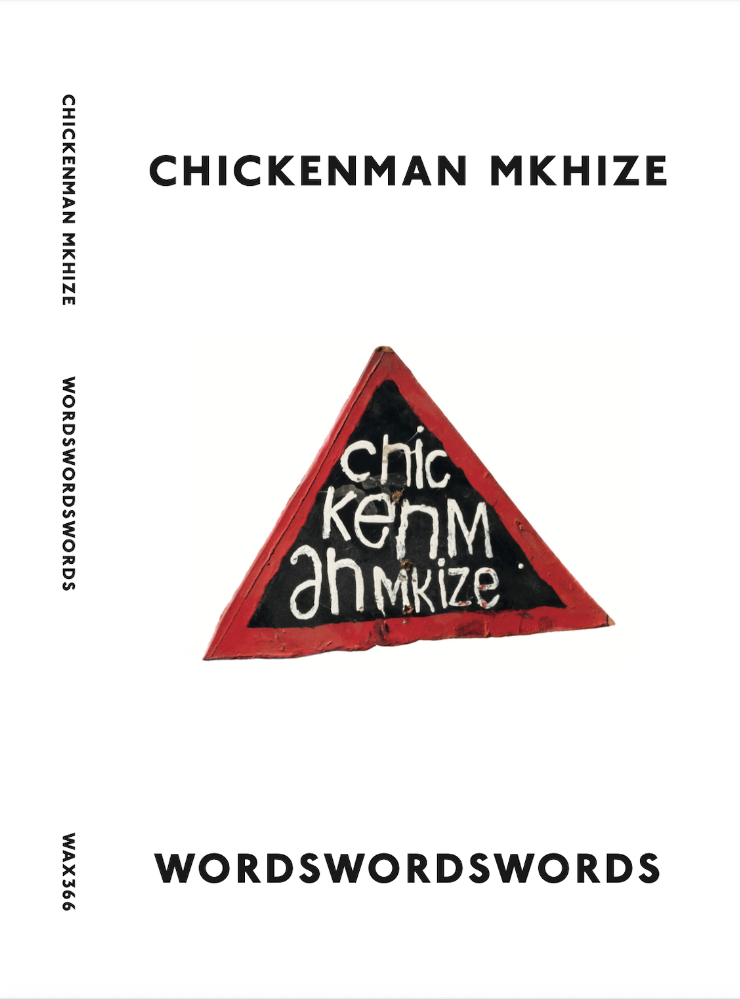
It encompasses so much in its non-bracketed state: the three identical words suggestively carry onwards, and yet there is also a succinct economy. Wicomb, whose acute critical eye is on display in her essay (named after one of Mkhize’s signs ‘BUTISI /TART?’, and which was used at the 1995 Johannesburg Biennale), offers what we hope will somehow not be her final word, since we know that she spent her lifetime in the act of revision, perfecting words even on pages that had already been published.
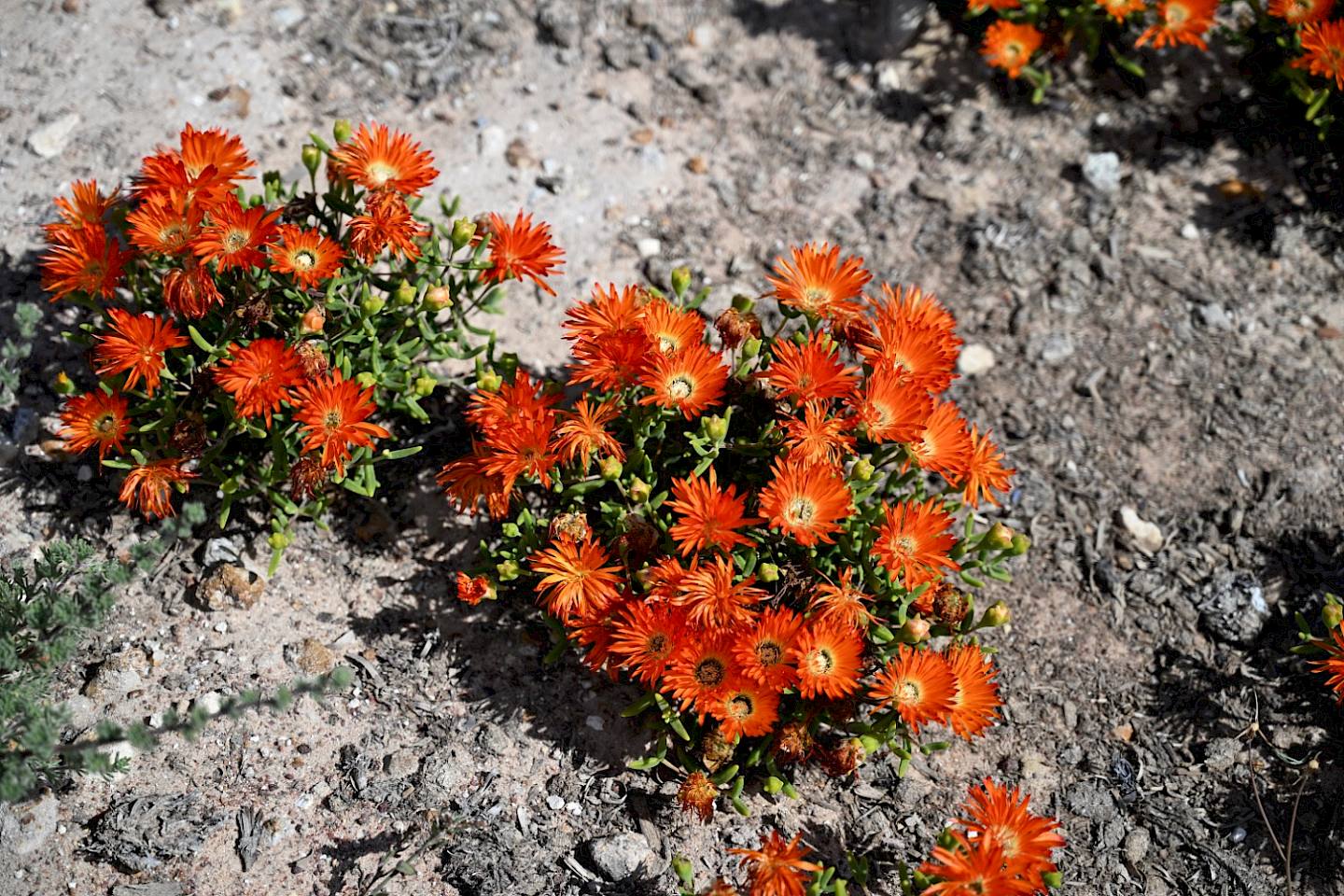
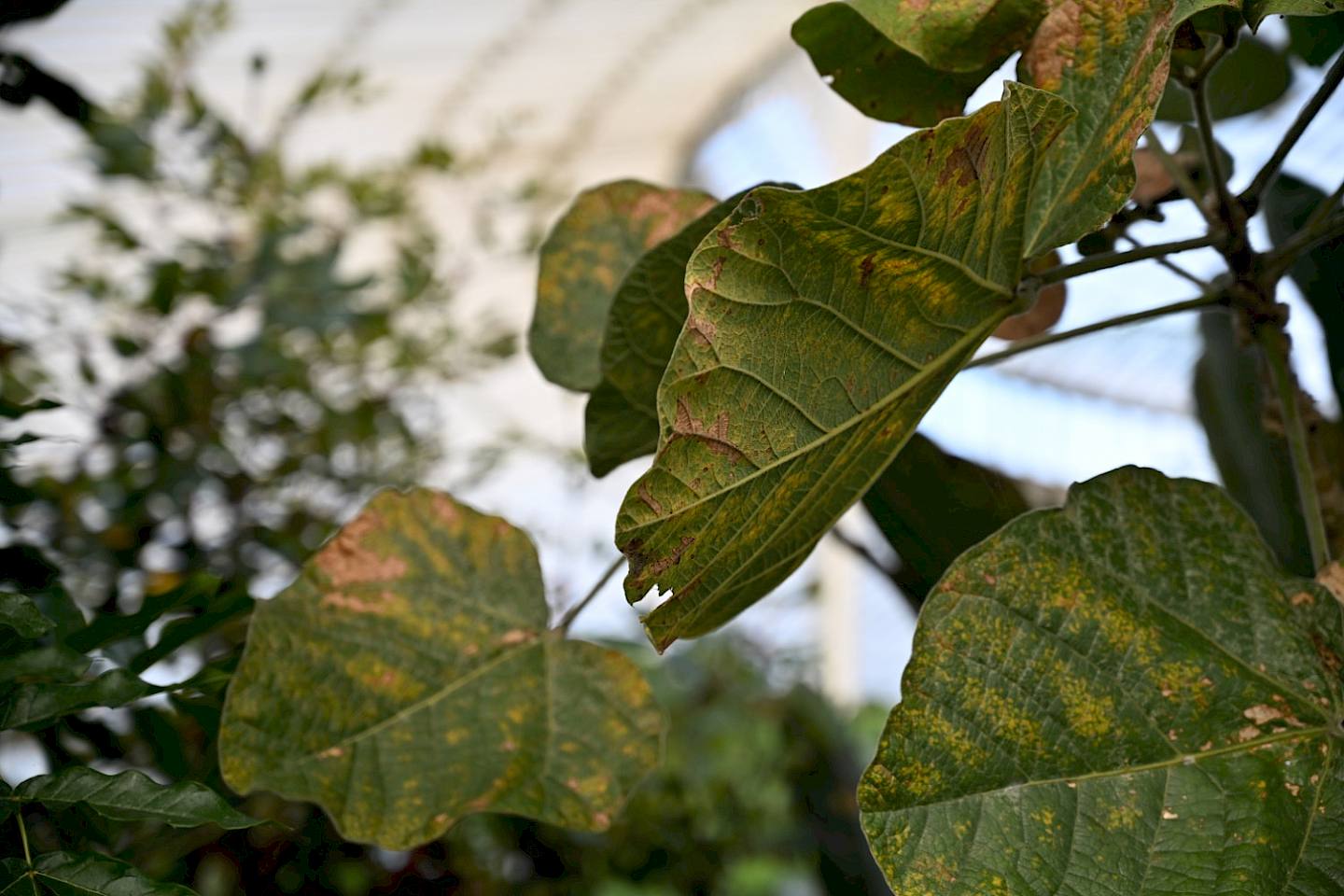
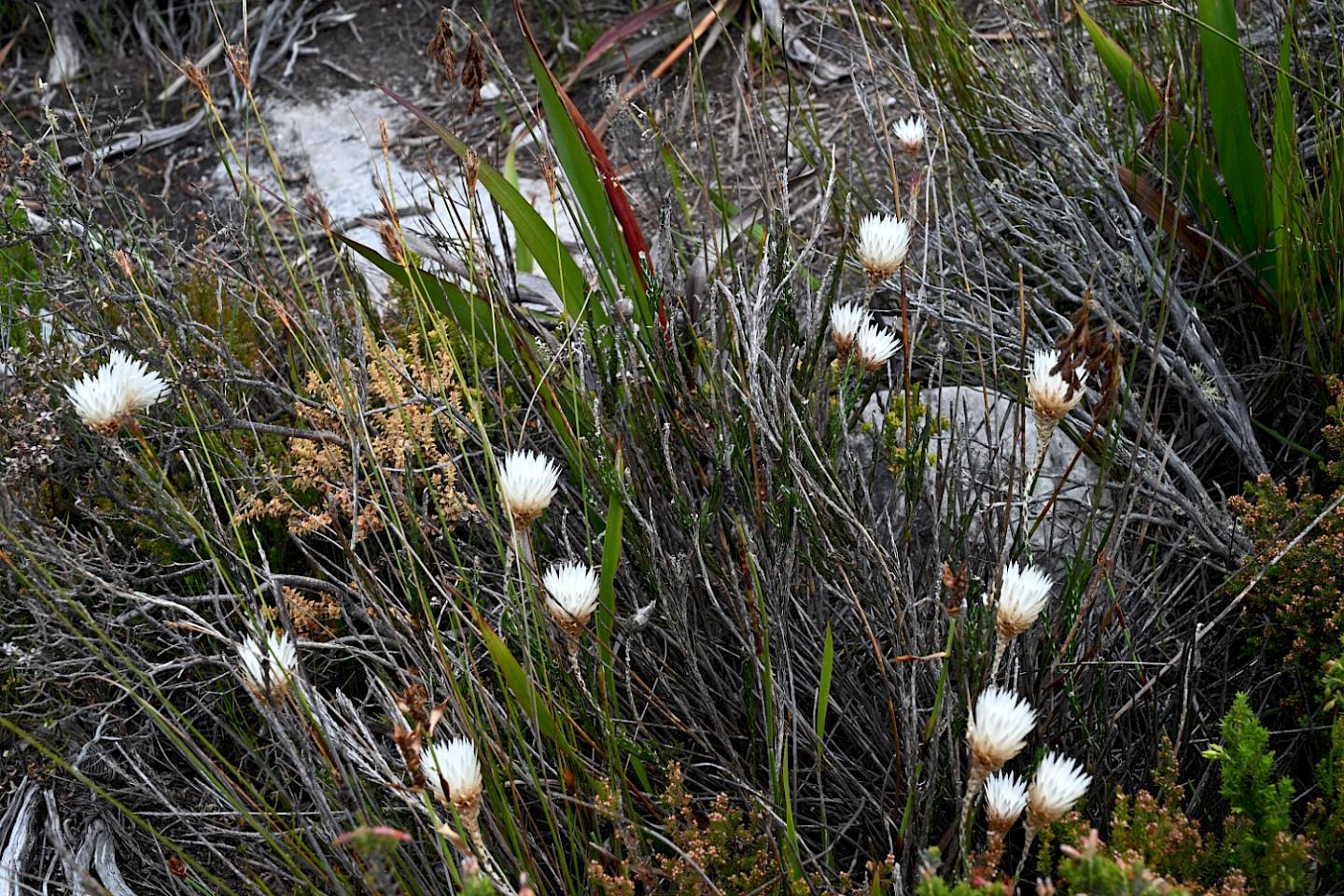
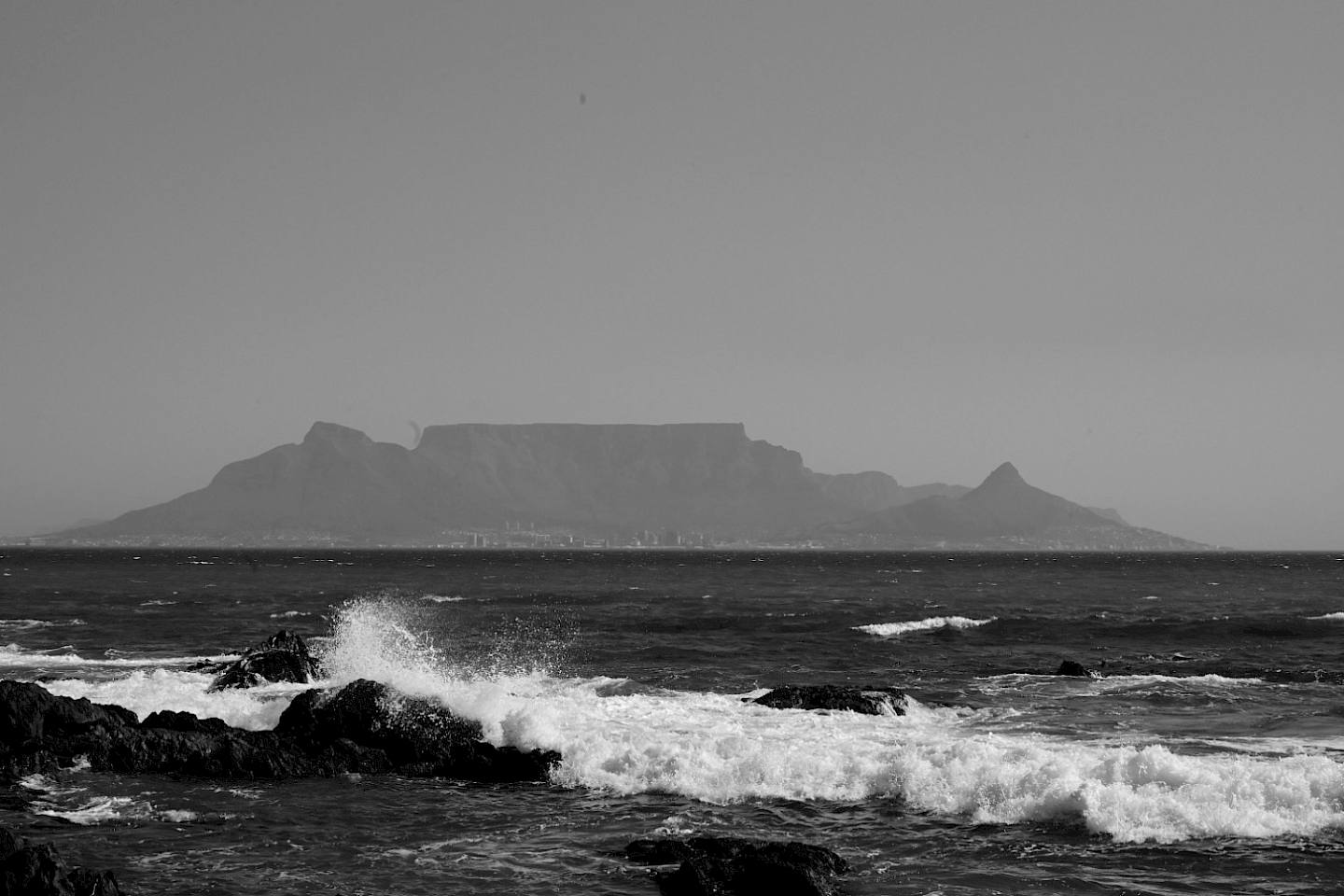
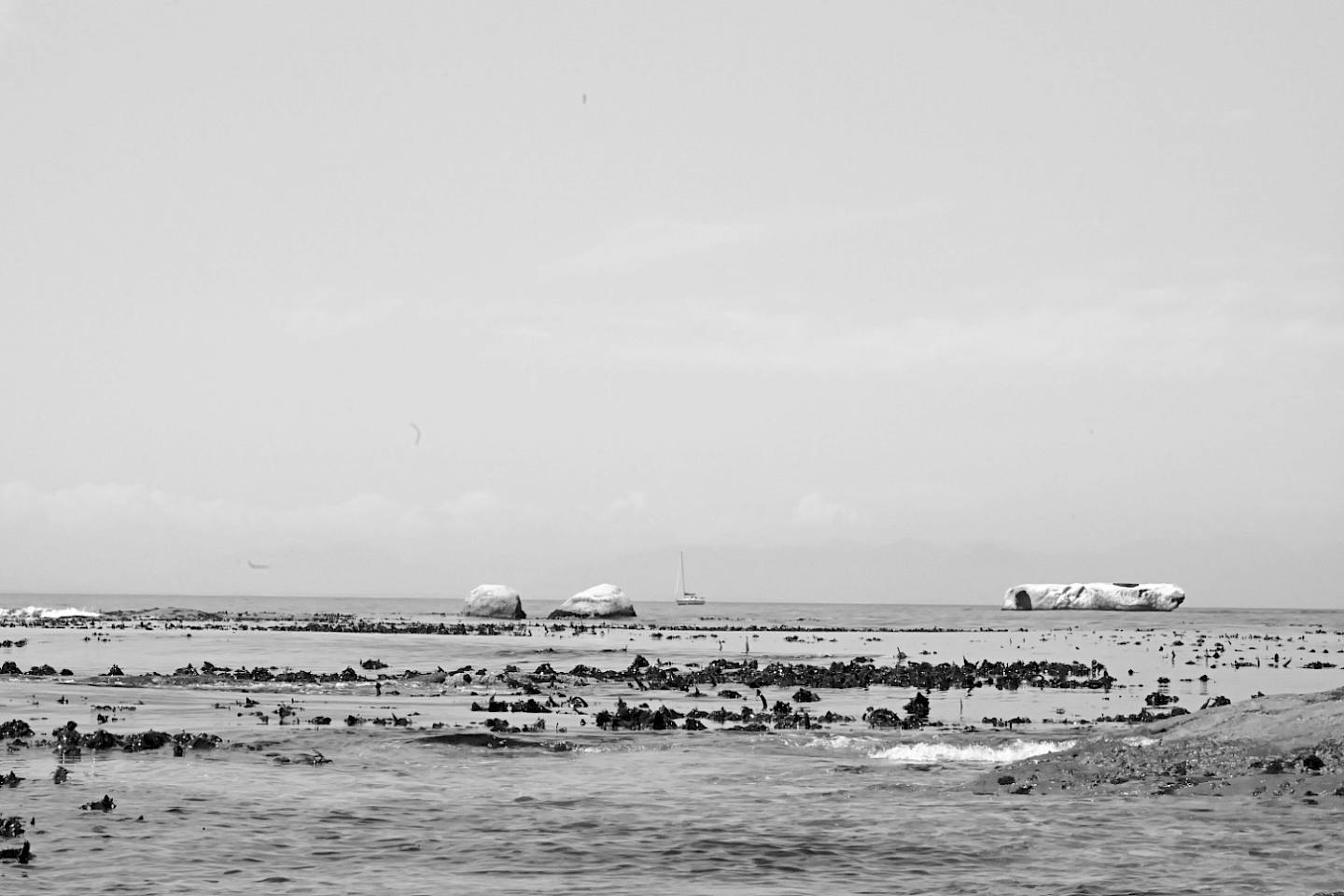
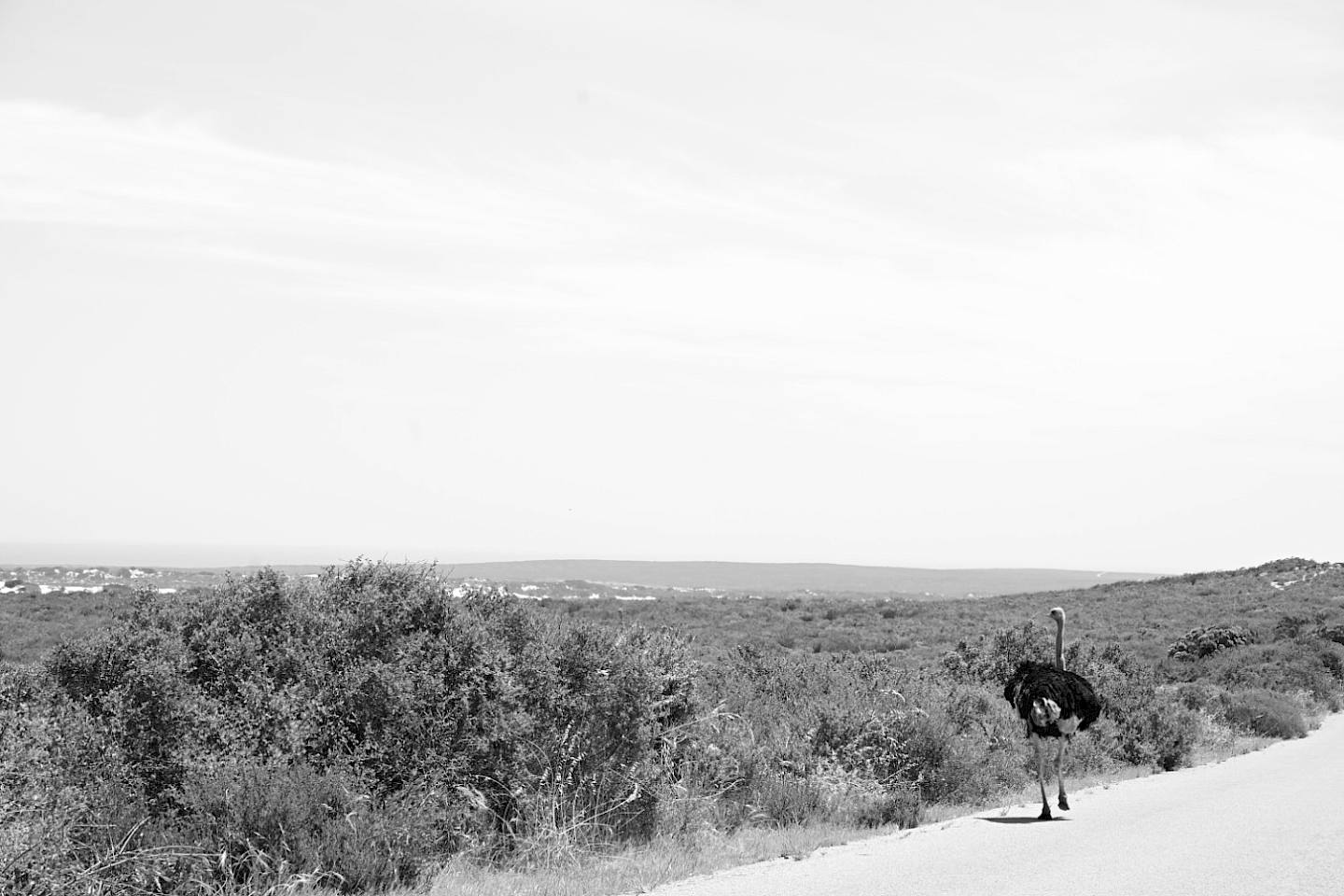
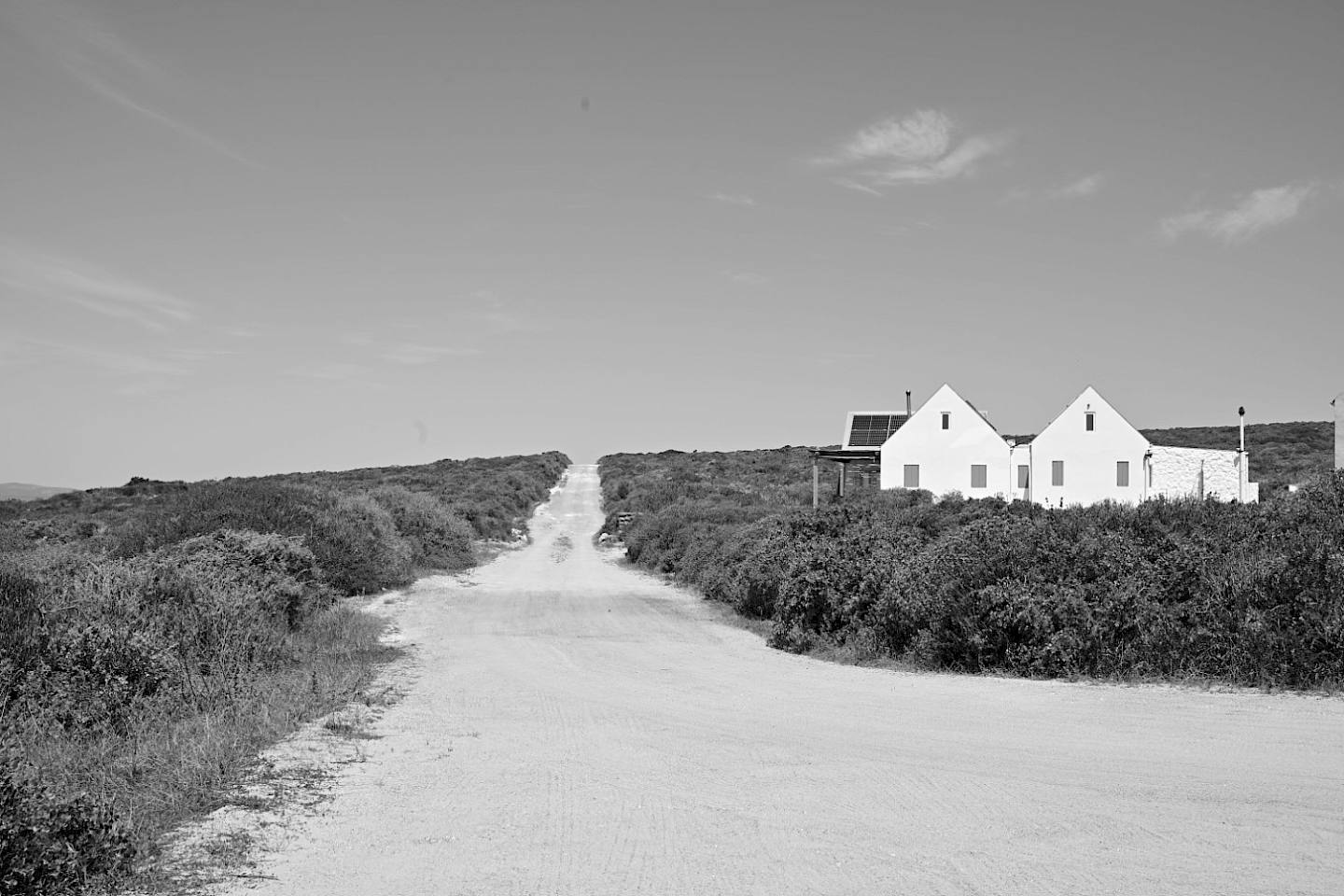
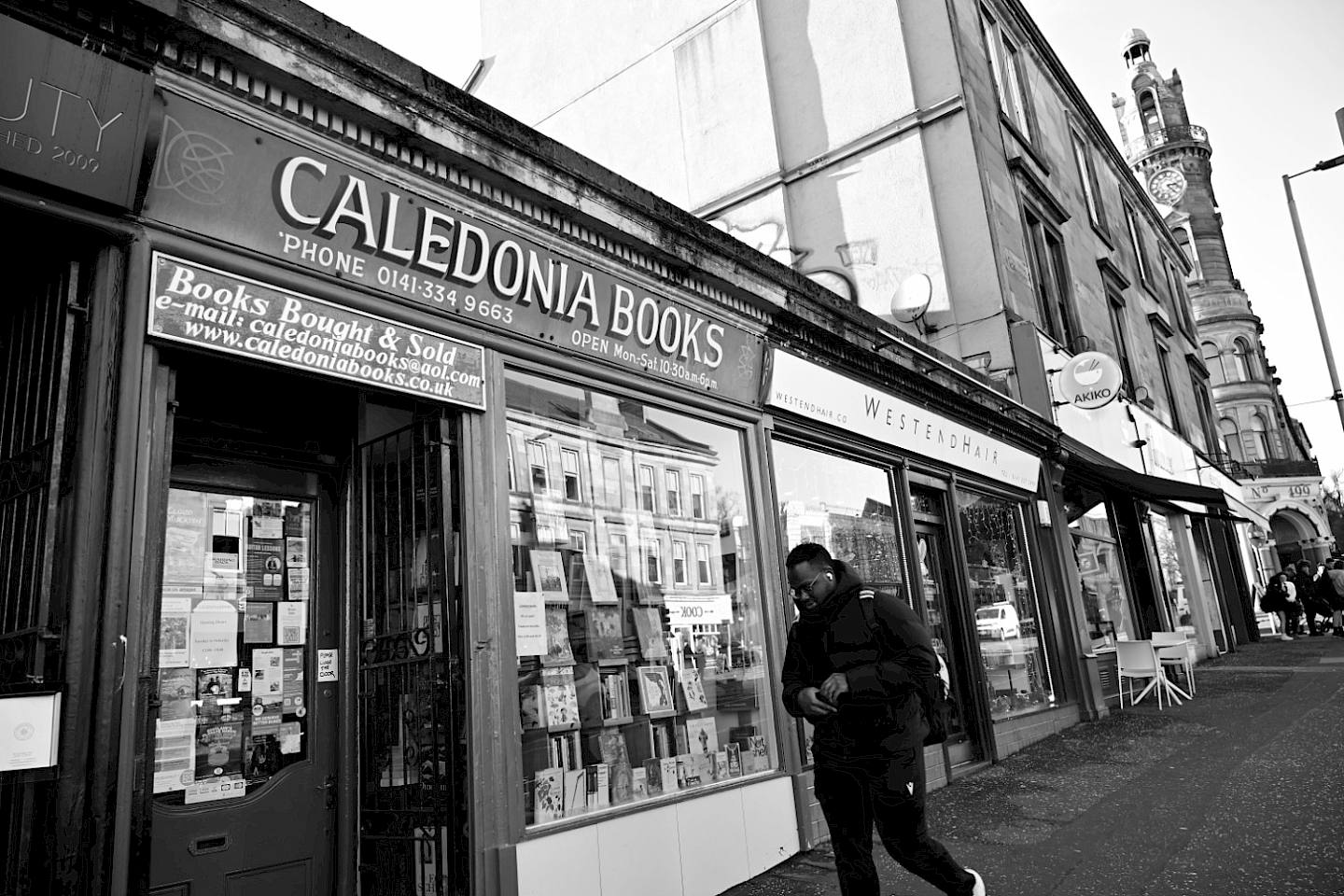
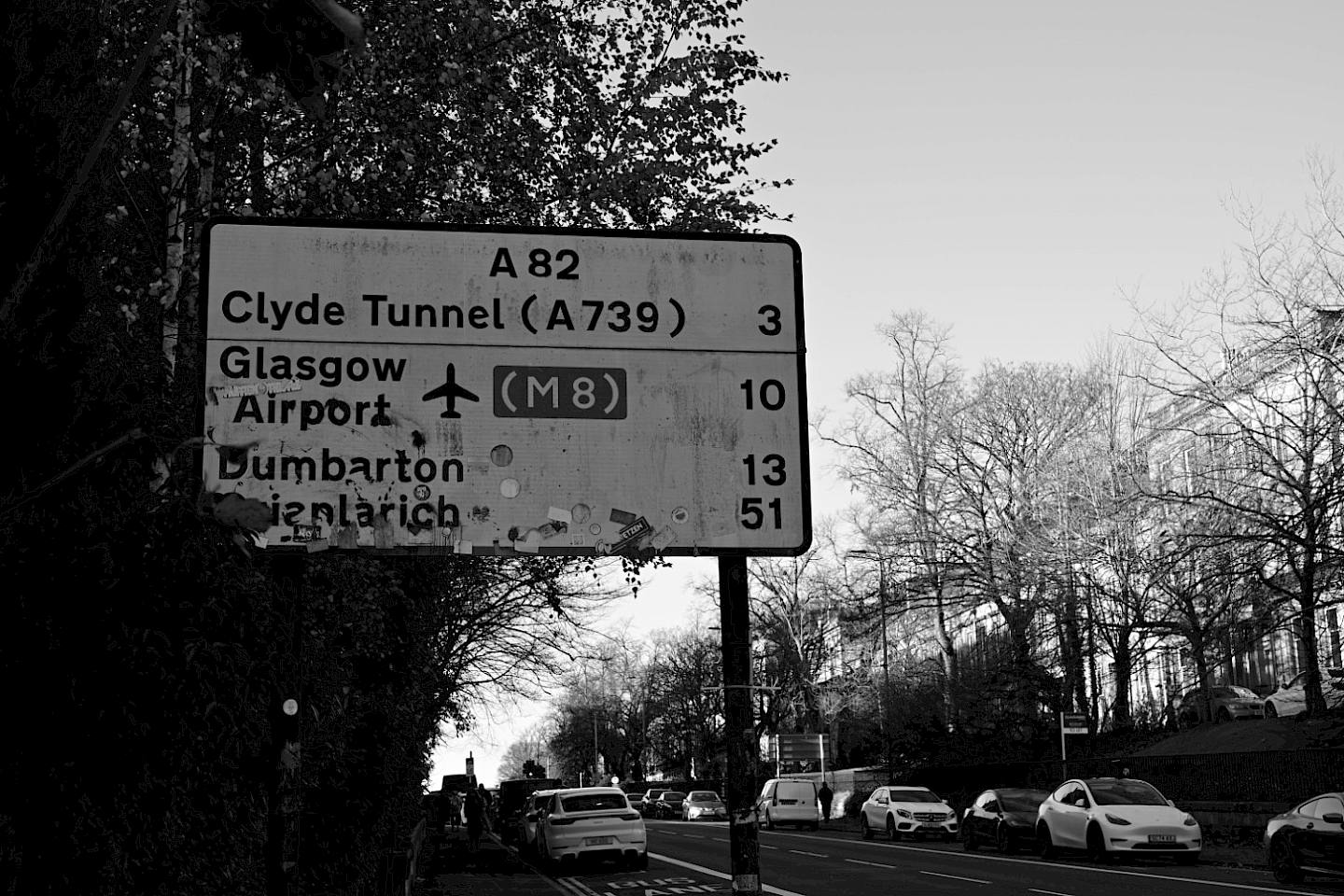
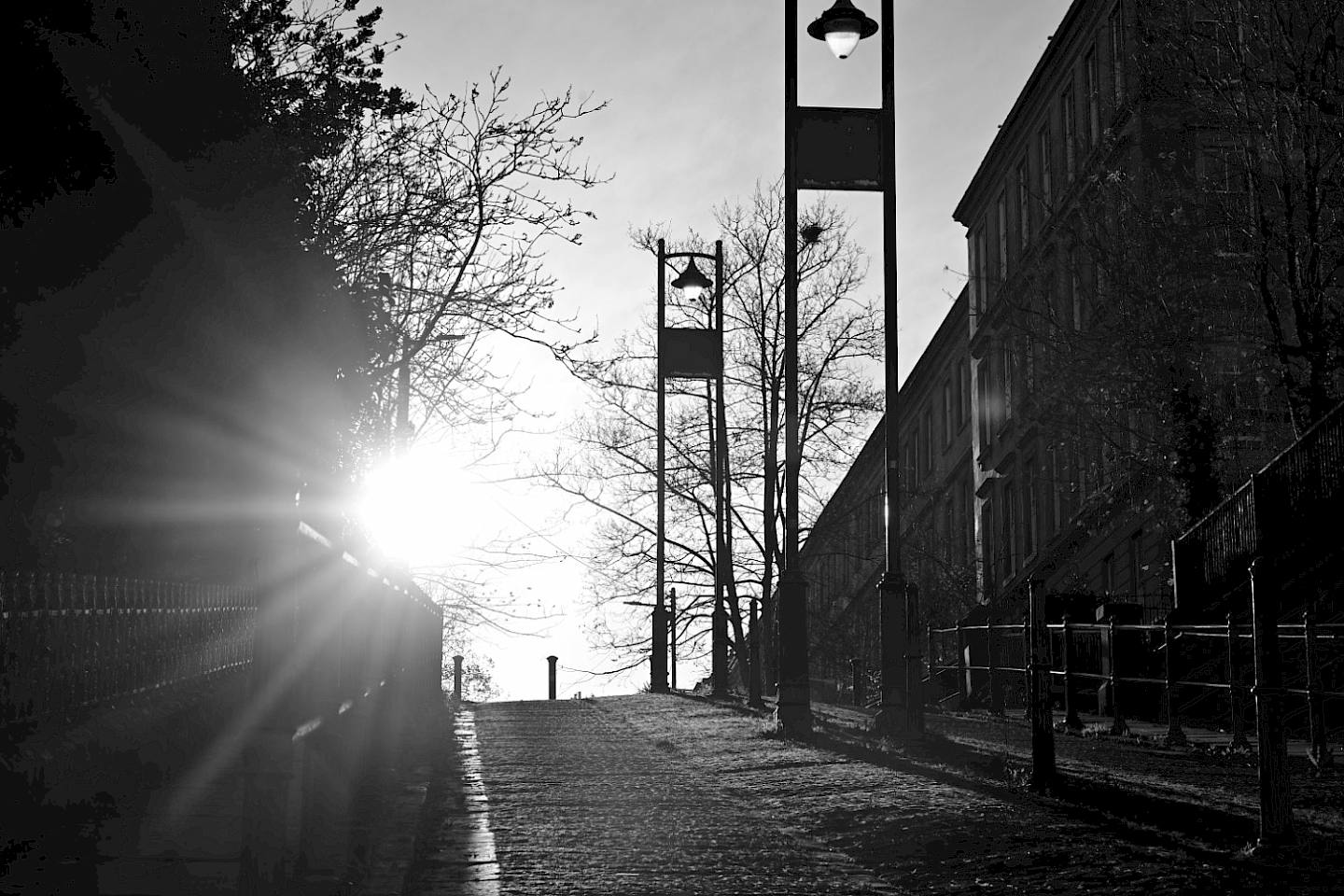
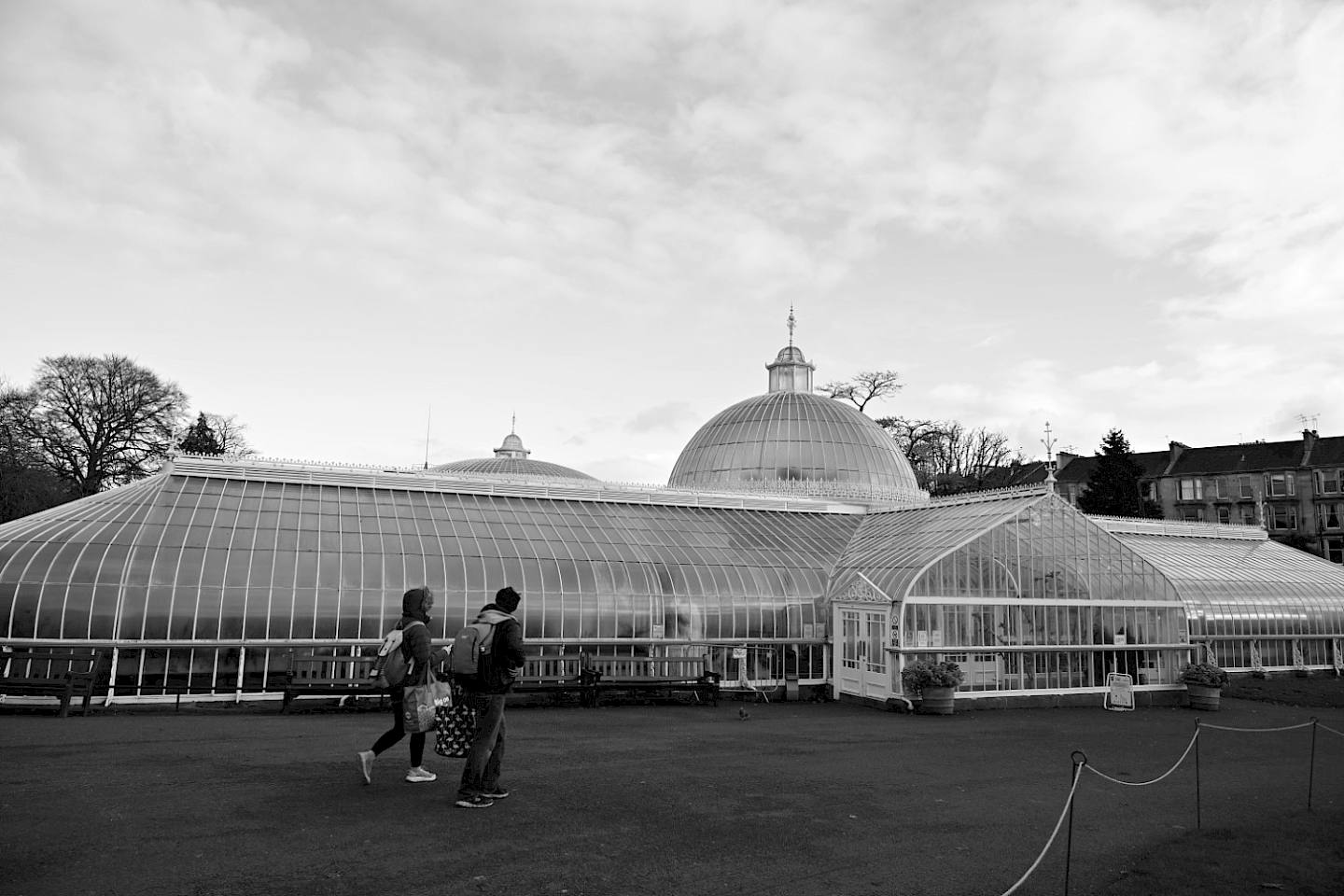
Note: While this tribute and visual travelogue is called ‘Scenes from October’, the images were taken in November, during visits back to Cape Town and Glasgow. But October is still a resonant month since it is also when I met Derek Attridge in 2007 at the October Gallery, in London’s Queen Square, and that is when this all began. We had the idea to hold a conference on Wicomb’s work — her new book of short stories, The One That Got Away, would be published soon. Without quite realising it, an evolving ten-year project was launched, together with David Attwell and Meg Samuelson — with a three-conference series at SOAS (2008); Stellenbosch (2010), and York (2012), out of which came three special journal issues (Journal of Southern African Studies (2010); Safundi (2011), and Current Writing (2011)), and a collection of essays, Zoë Wicomb and the Translocal (2017). I took this series of photographs whilst re-reading October, but they follow, without any particular direction, a few scenes across her fiction: in South Africa, Table Mountain and the iconic view from Bloubergstrand, Seaforth on the southern Cape Peninsula, the Cape West Coast; in Scotland, Glasgow’s Great Western Road, and Glasgow Botanic Gardens. My thanks to Roger Palmer for sending Zoë’s new essay on Chickenman Mkhize and for the book cover image: the conference poster that opens the current essay is based on his original silver gelatin print, ‘A picture made near Vredendal’.
All images © Kai Easton

