
Featured Content
Breathing Between Bubbles: A Leib-University in Exile
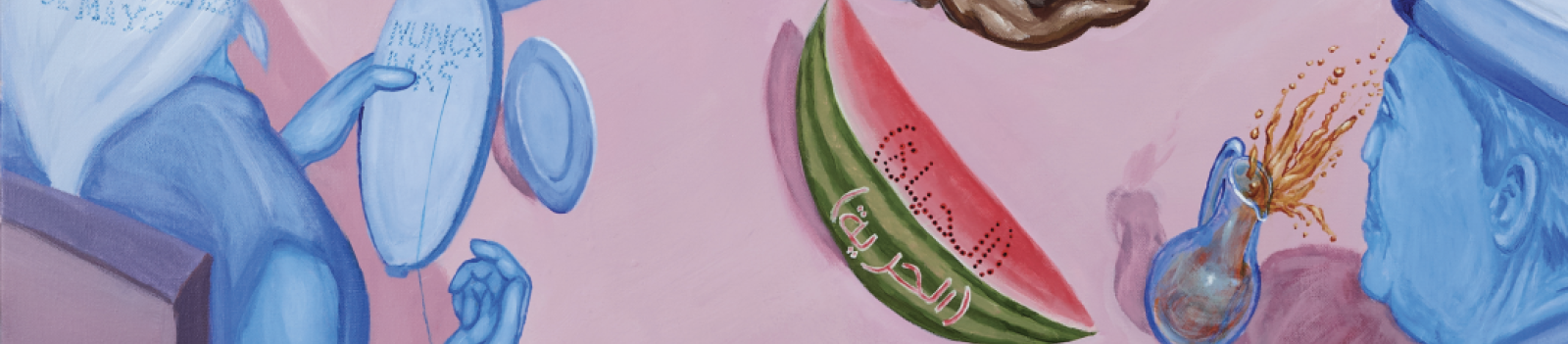
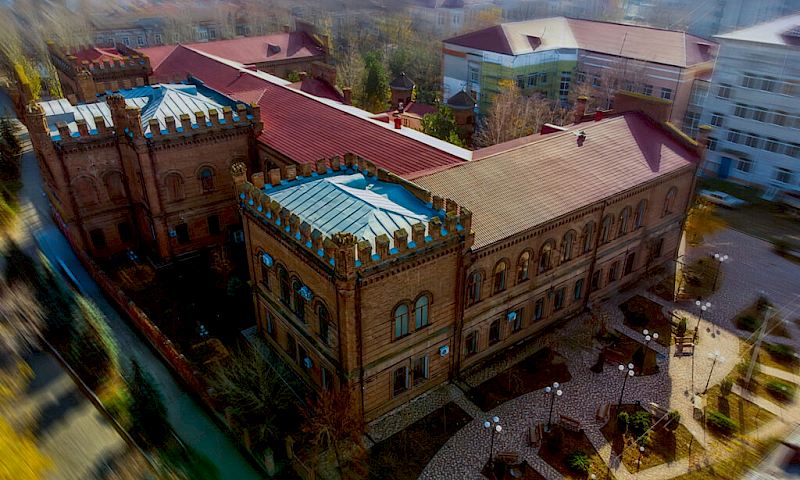
Yana Suchikova is the Vice-Rector for Research at a displaced Ukrainian university. In this piece of life writing from our latest Solidarities issue, she writes on the emotional and corporeal experiences of sustaining university teaching during war and occupation in Ukraine — with and without internet, in makeshift shelters, in simultaneous isolation and fragmented togetherness, while displaced and dispersed. Drawing on Boris Vian’s text L’Écume des jours and the 'foam' of their everydays – 'light, sparkling, but short-lived' – Suchikova considers the various 'bubbles' of locality, care, reprieve, freedom, and solidarity she and the students and members of their university create.
NonfictionExtractSolidarities
Public Memory and the Politics of Fallism: Dan Hicks in conversation with Rahul Rao
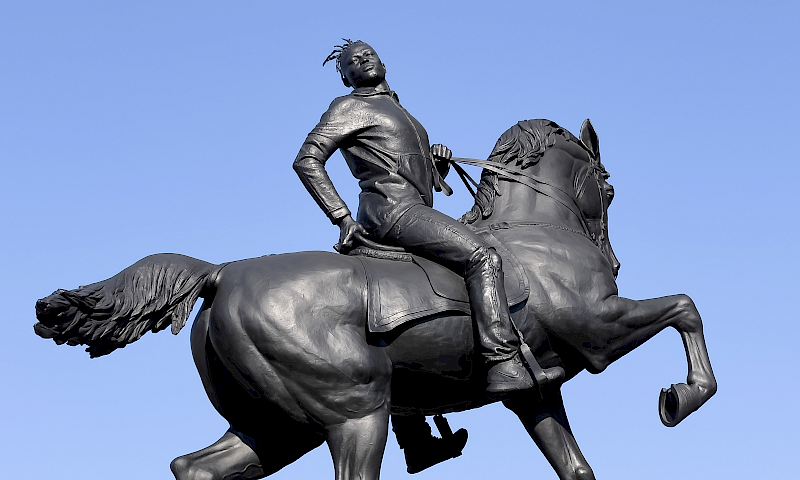
In 2020, the Black Lives Matter movement incited a paradigm shift within the history of a specific form of aesthetic disruption: toppling public statues. Rahul Rao discusses his latest book on the subject, The Psychic Lives of Statues: Reckoning with the Rubble of Empire (Pluto Press, 2025), with Dan Hicks, curator, professor, and author of the book Every Monument Will Fall. Beginning from how statues are 'infused with libidinal desires', the pair explores incidences of recontextualising or removing monuments of colonial memory, Indocentrism as a lens on statue wars today, counter-monumentality, intergenerational disagreements on the left, and fallism – the student-led decolonial movement that first emerged in South Africa in 2015 – more widely.
Interviews
Why Anne Carson?
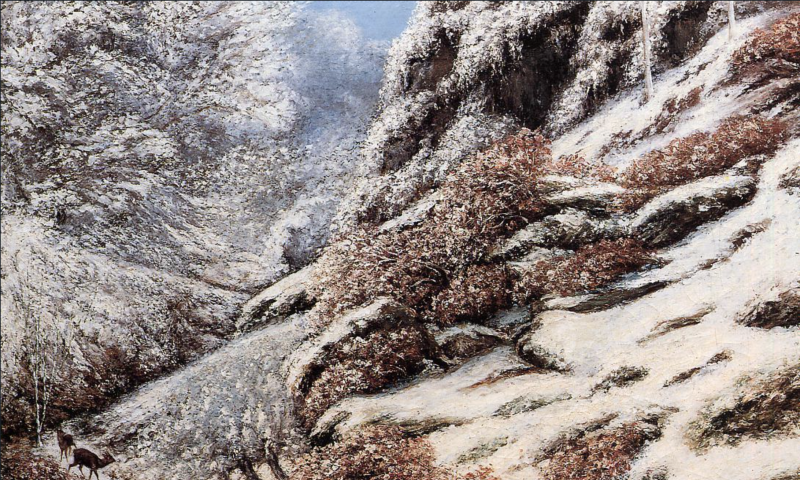
In celebration of Anne Carson winning the Nobel Prize in Literature 2026, poet and writer Rebecca Tamás reflects on her relationship to Carson's oeuvre, how Carson's work has been minimised or misinterpreted in literary discourse, and the impact the 76-year-old writer and translator's luminous work has had on her, and young women and queer people, personally.
Nonfiction
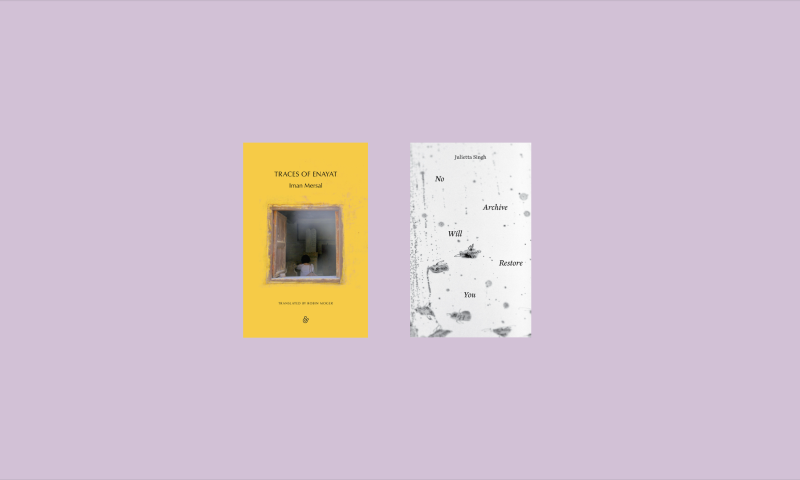
Archival Experiments: Iman Mersal’s ‘Traces of Enayat’ and Julietta Singh’s ‘No Archive Will Restore You’
As a scholar specialising in anticolonial archiving practices, Sara Salem analyses two texts – Iman Mersal’s Traces of Enayat and Julietta Singh’s No Archive Will Restore You – as 'attempts at stretching and undoing "the archive" as a fixed place or as something that can be held by an institution'. Braiding close readings and theory, Salem explores the body as an archive and archiving as radical experimentation to expand our definitions of archival engagement and what actually constitutes an archive in the first place.
AcademicNonfiction
Latest News and Events
9 November 2026
From the Word to the World: Workshop Series with Haider Shahbaz
We're delighted that our 2026/7 International Translator in Residence, Haider Shahbaz, will be tutoring an online course for us this winter. Across four workshops, Haider will cover many aspects of translation, including: spiralling out from the intricacies of words to the wider impact that anticolonial periodicals have had in the world. These workshops will take place monthly on Zoom from December onwards, and are open to early-career translators anywhere in the world. They can be booked individually, or you can sign up to attend multiple workshops at a discounted price.
31 October 2026
Meet the 2026 Queen Mary Wasafiri New Writing Prize Winners
We are thrilled to announce the winners of the 2026 Queen Mary Wasafiri New Writing Prize in Poetry, Fiction, and Life Writing. On the winners, Prize Chair Ellah Wakatama commented: ‘Judging pieces from across the globe, and in a range of genres was a challenge for me and my fellow judges; with each piece presenting an invitation to a different perspective, inflection, and voice. We were looking for ambition, originality, and urgency. The winners in each category represent the very best of these qualities.’

8 October 2026
Announcing the 2026 Queen Mary Wasafiri New Writing Prize Shortlist
We are pleased to share the shortlist for the 2026 Queen Mary Wasafiri New Writing Prize, judged by Santanu Bhattacharya (Fiction), Jen Calleja (Life Writing), and Mona Kareem (Poetry), and chaired by Ellah Wakatama.

Newsletter
Sign-up to our newsletter and receive all our latest news straight to your inbox.